Call us at (406) 770-7454 · NMLS #820270 · Serving 38 States!

Personalized home loan solutions
Unlock the right mortgage for your next home
Bobadilla Home Loans helps home buyers, move‑up families, and investors navigate the mortgage process with clarity, speed, and confidence without the bank runaround.
Or call (909) 270-4647
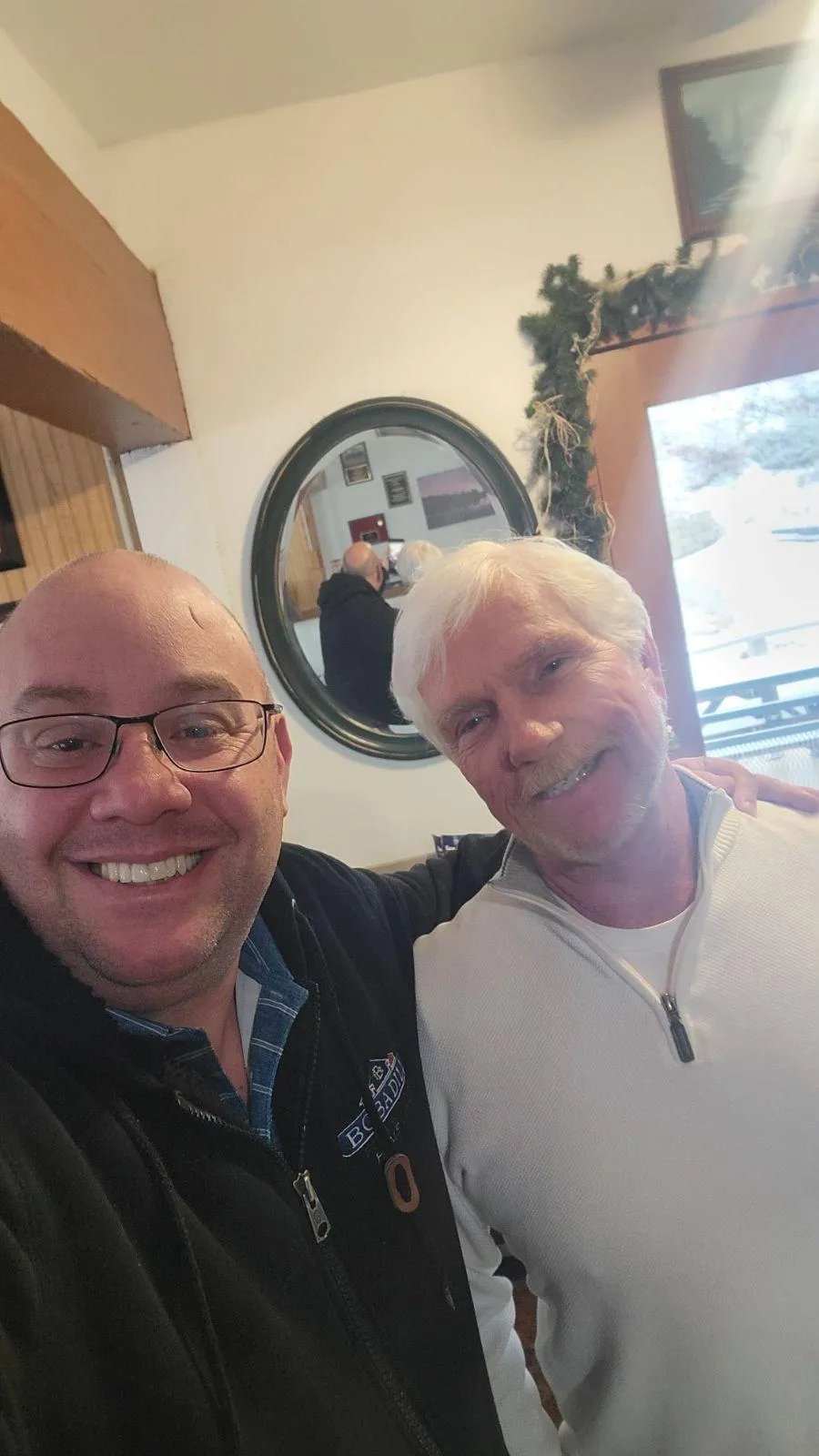

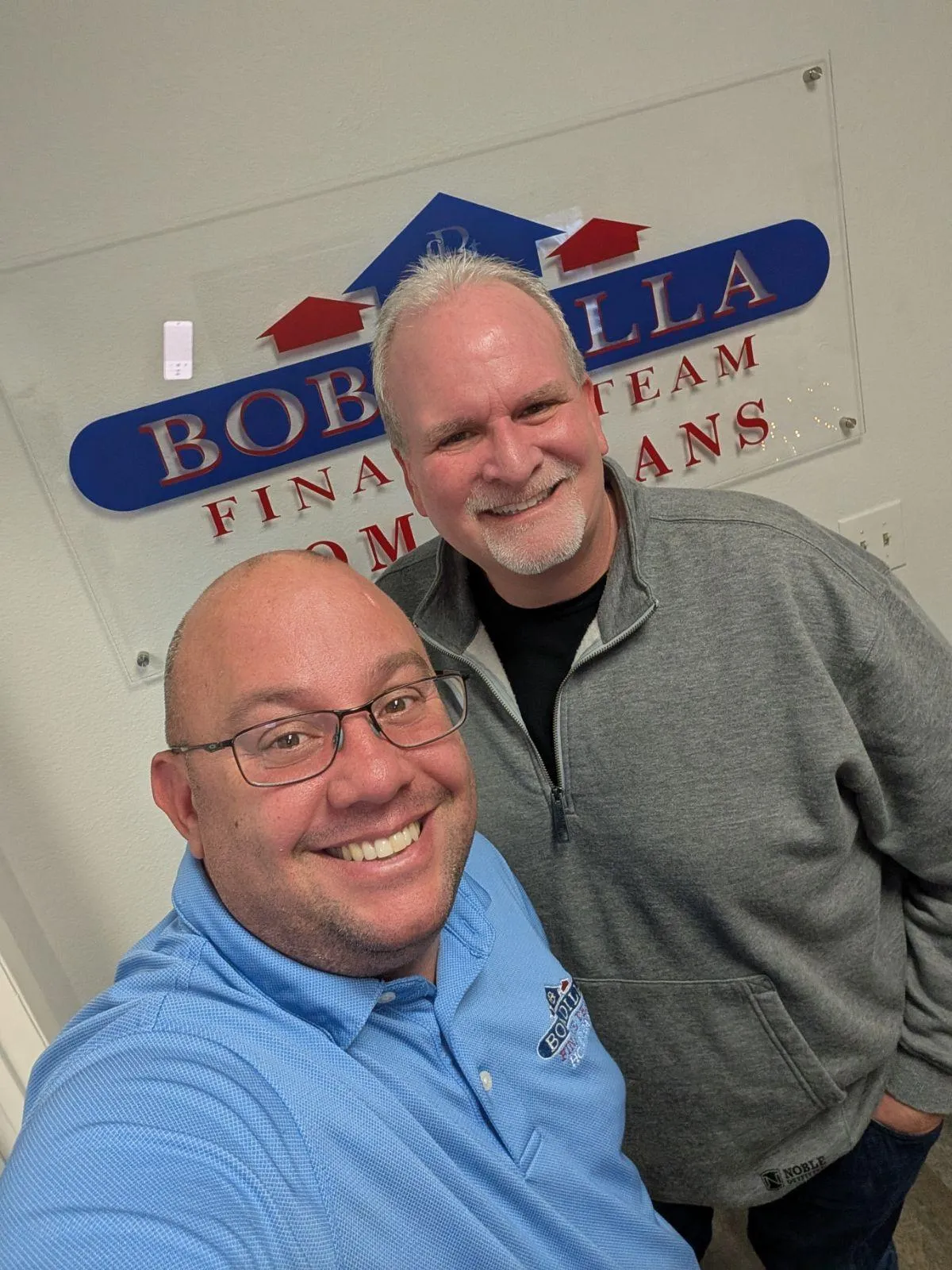

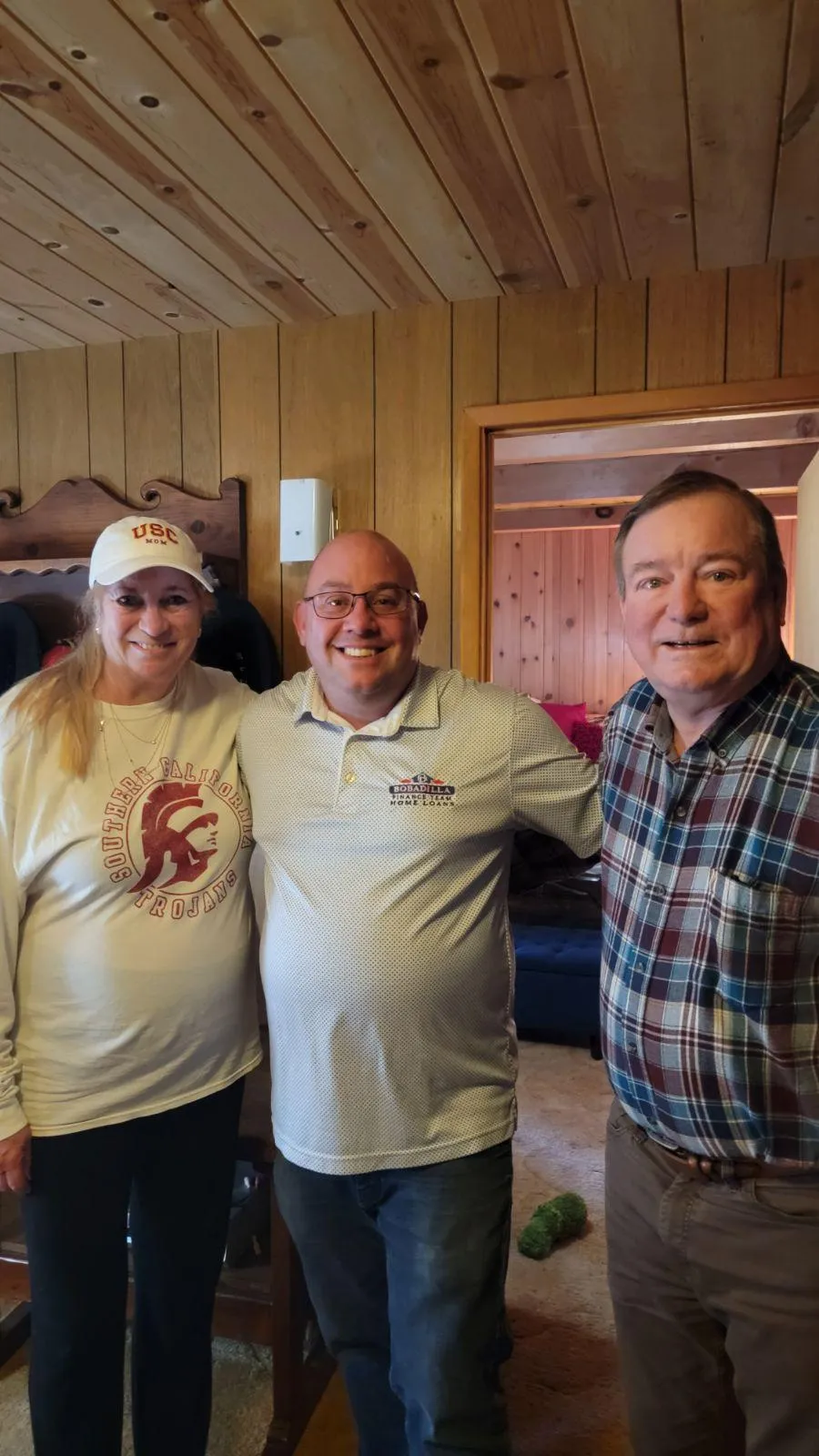
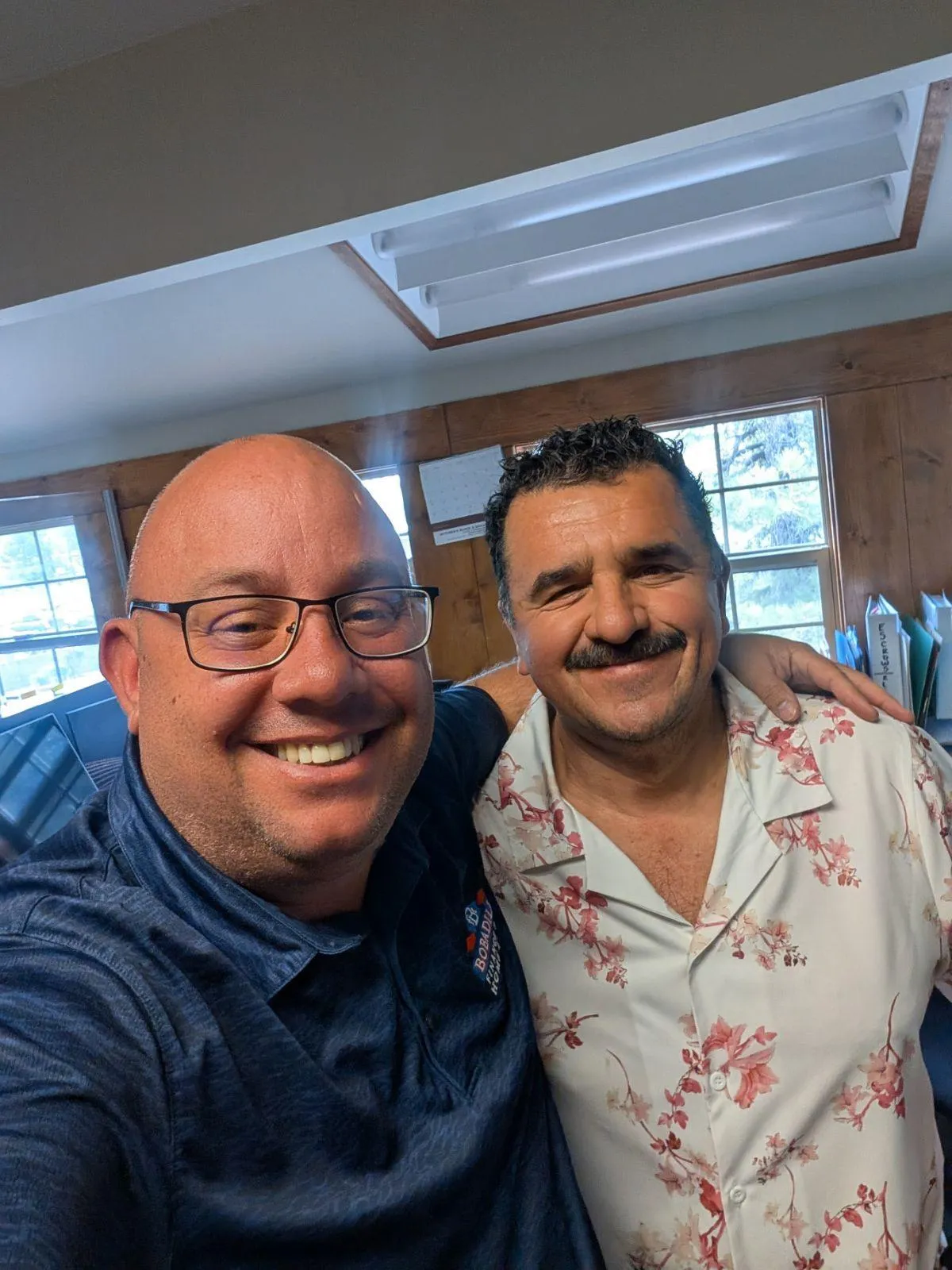
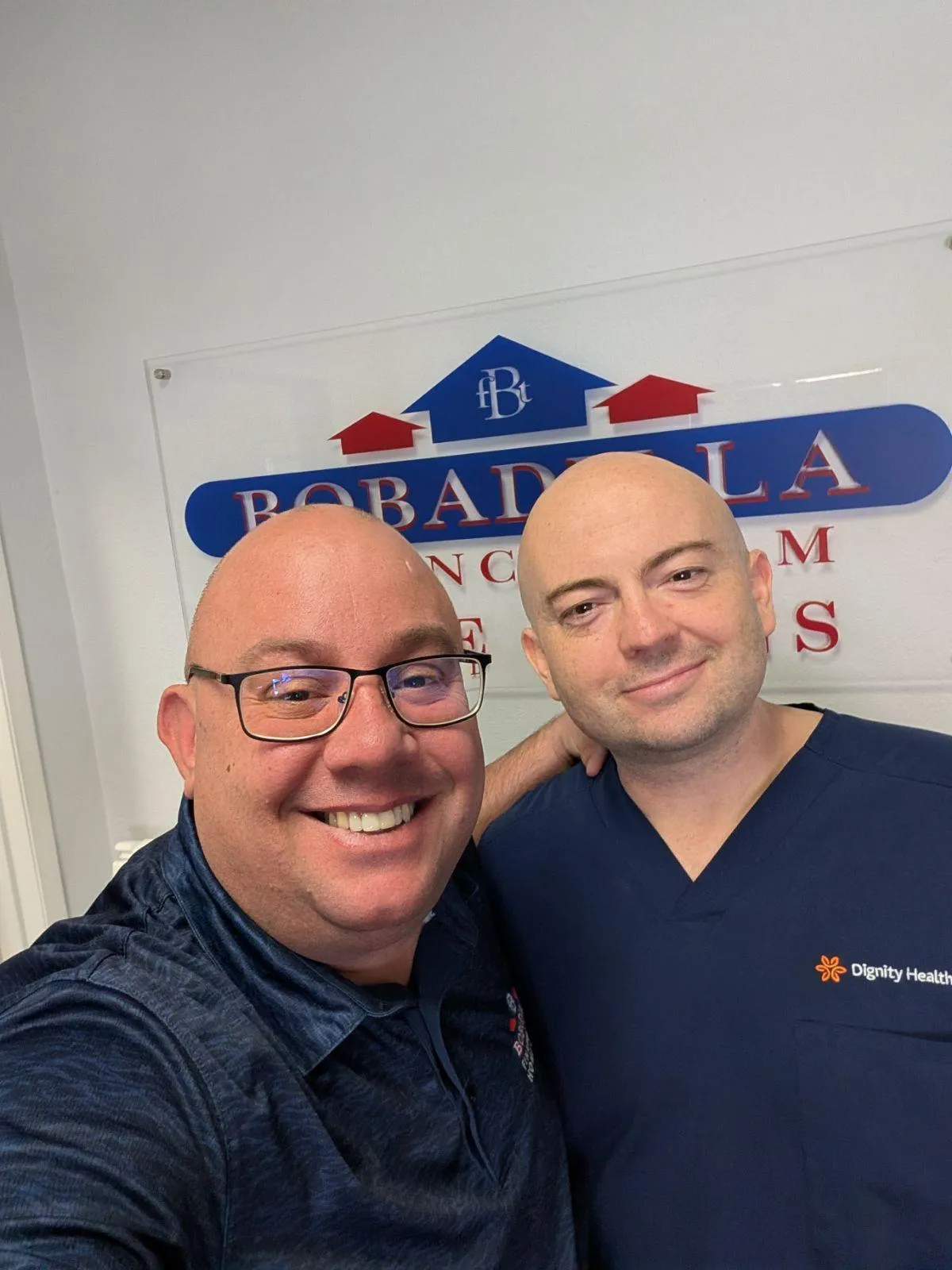
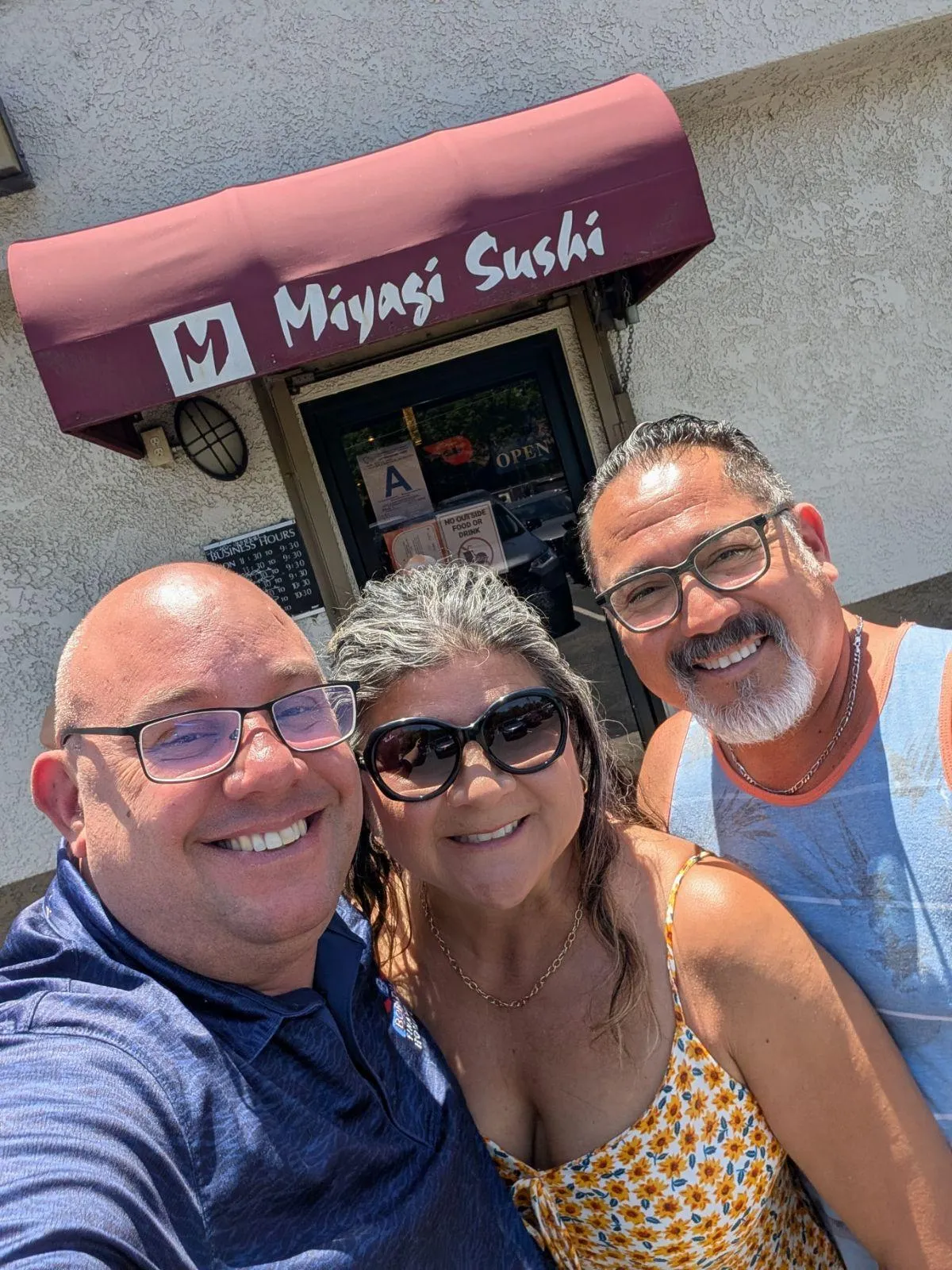

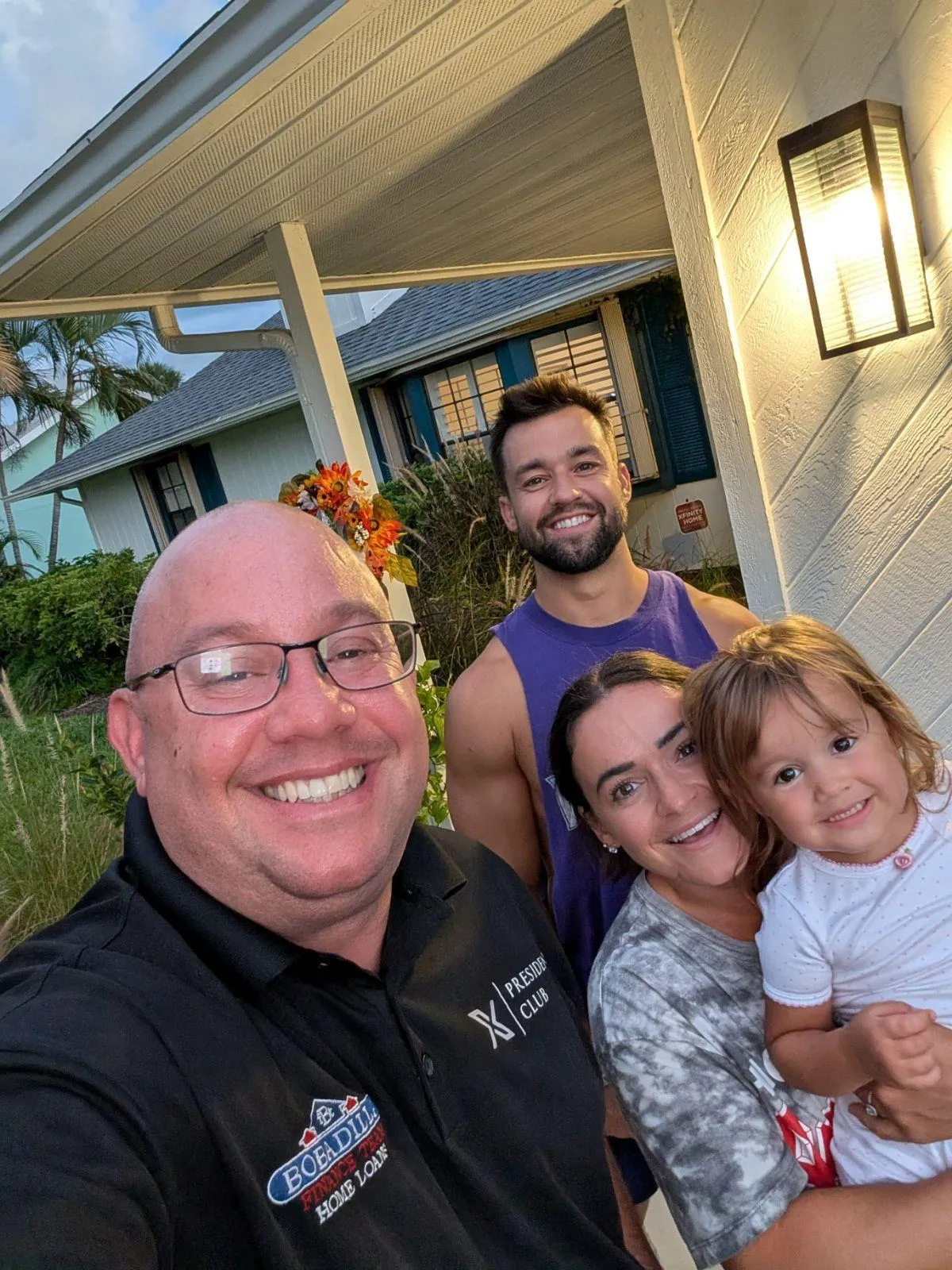


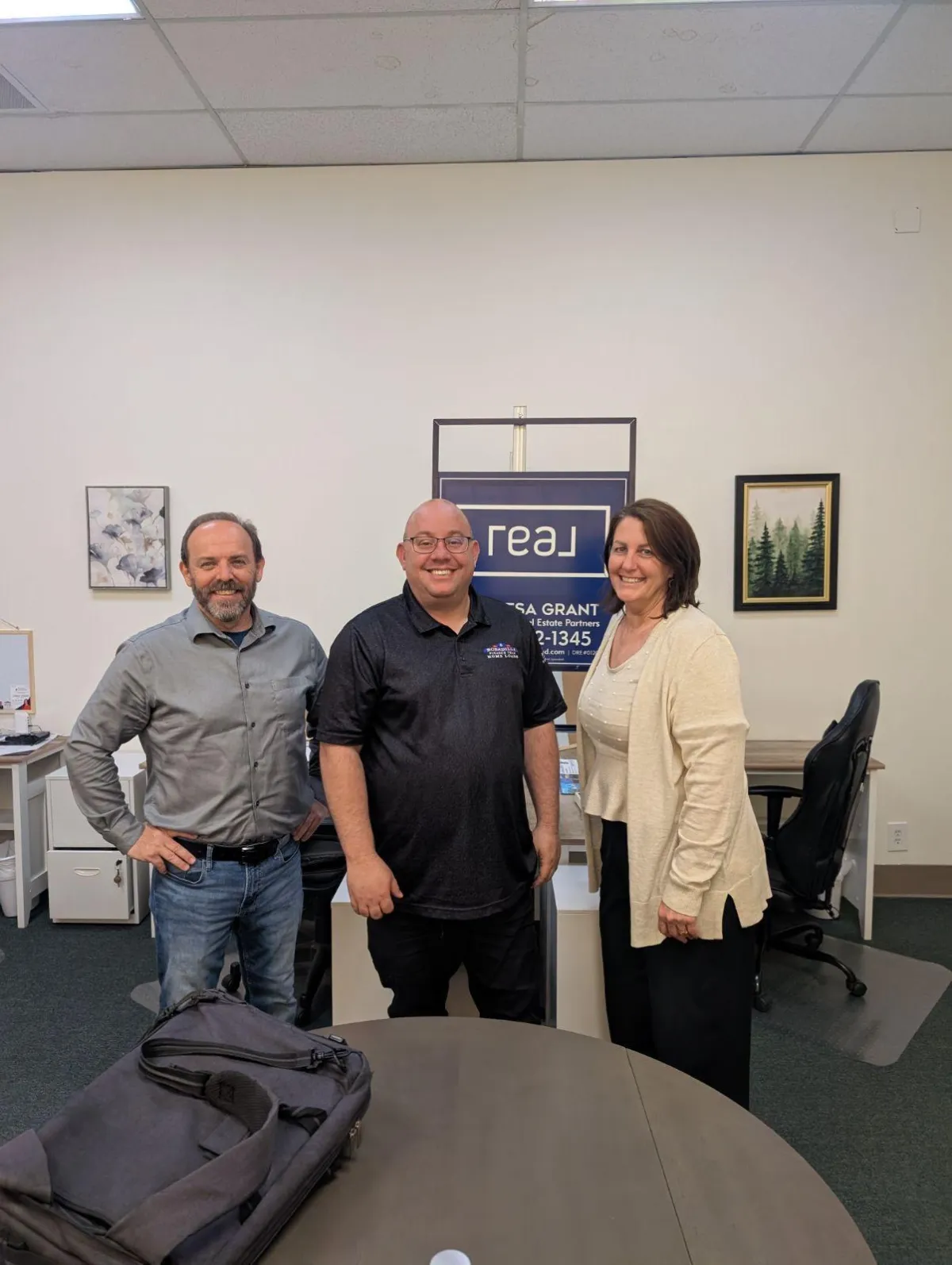

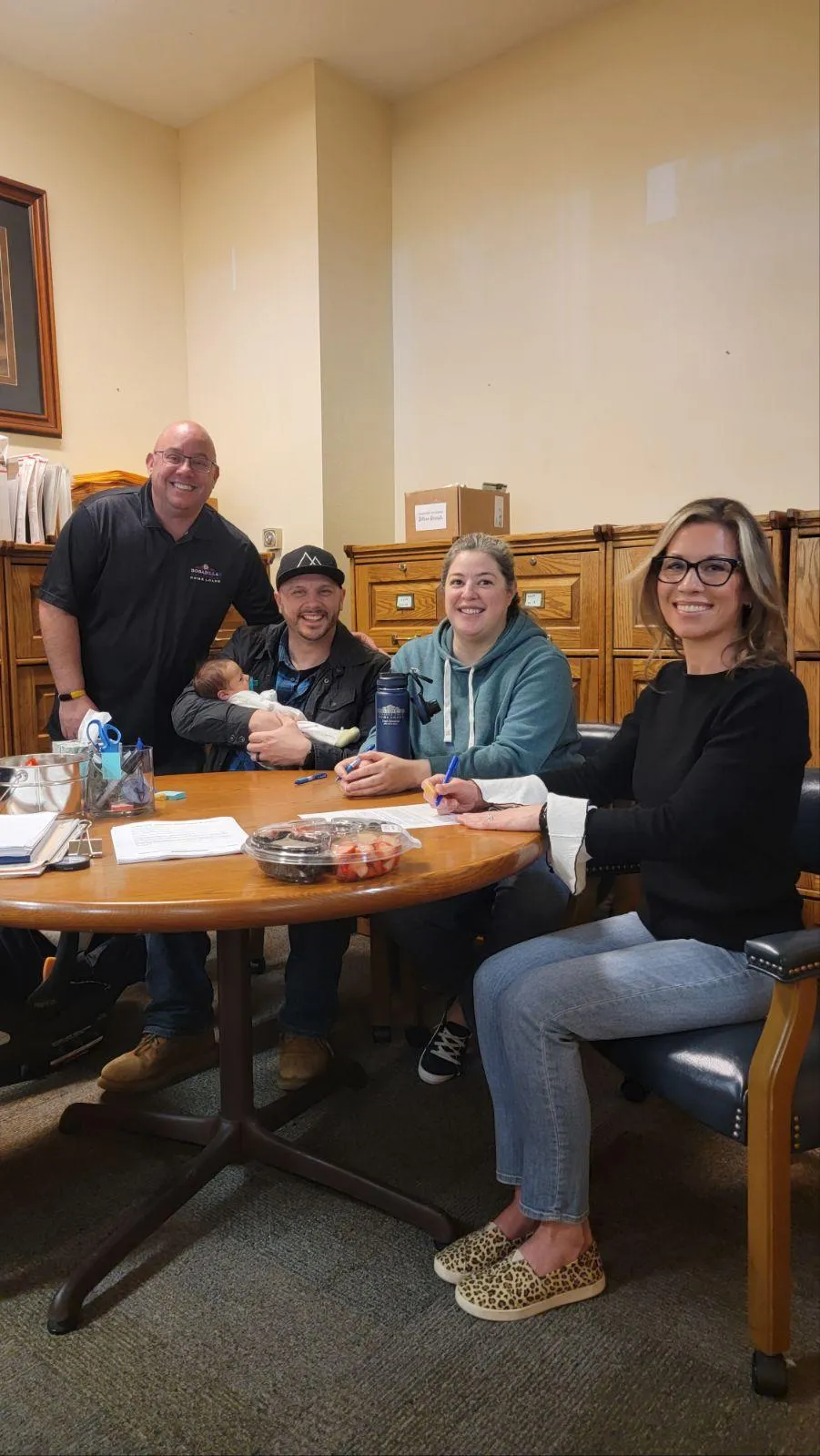
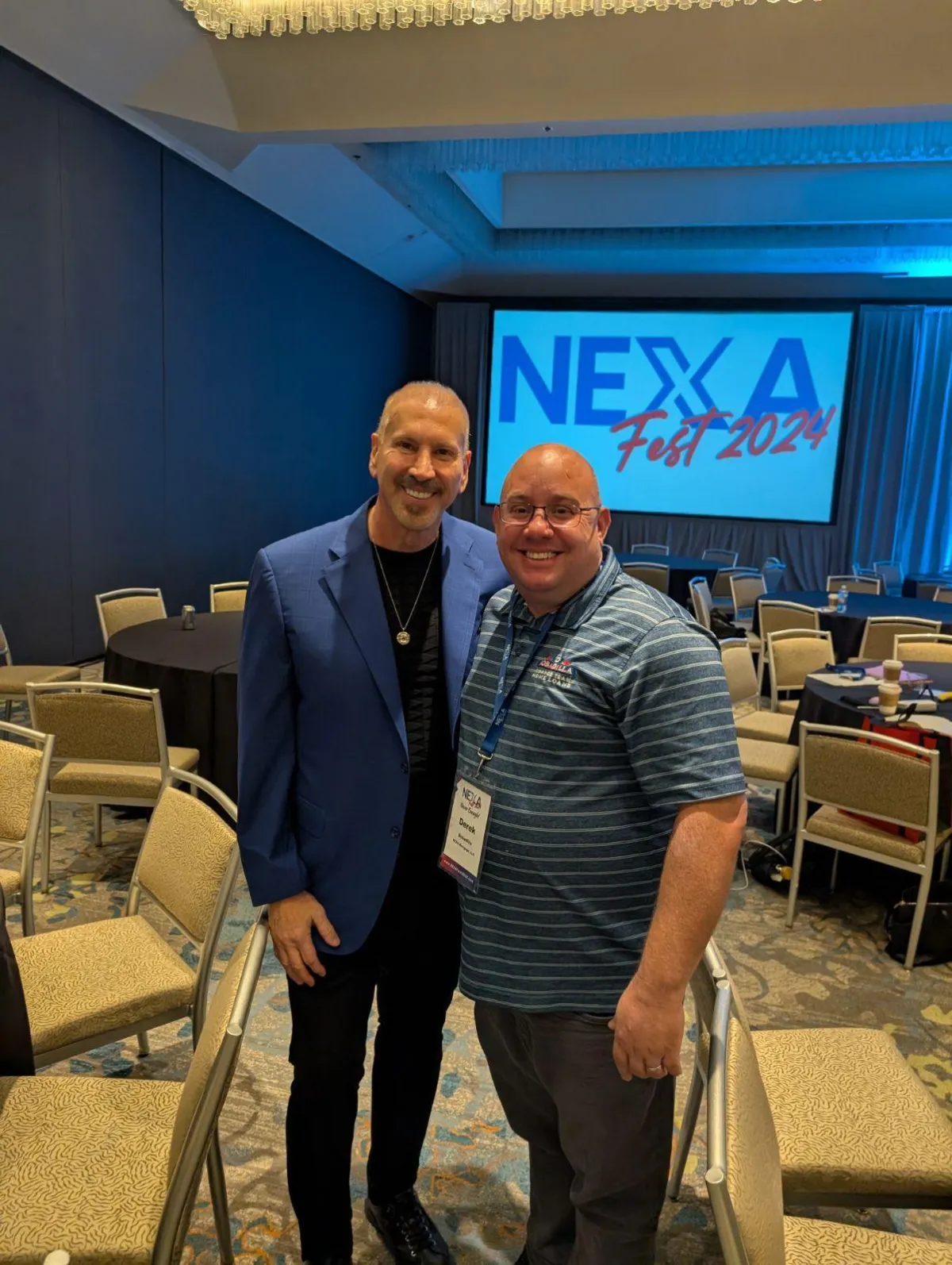





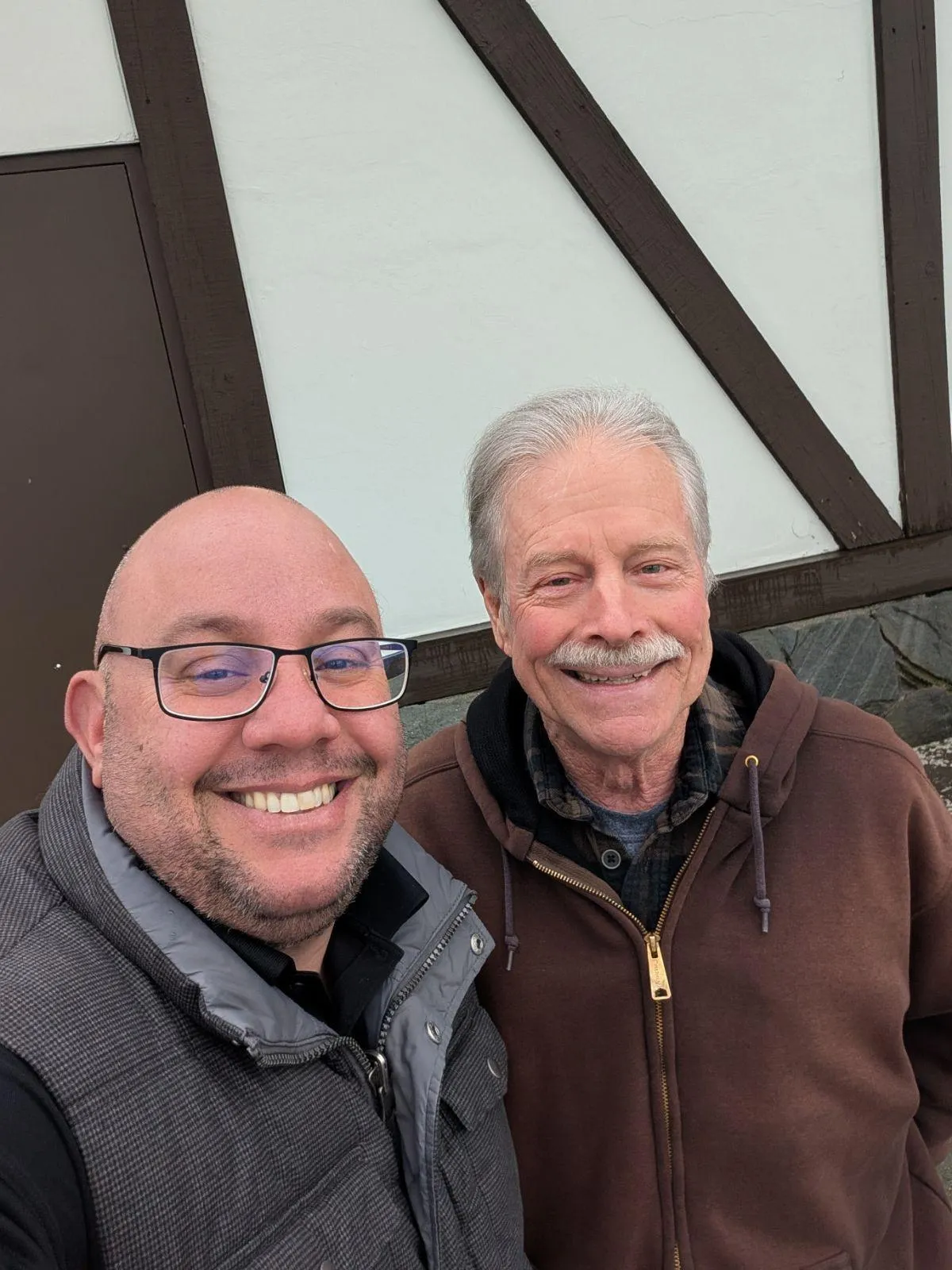
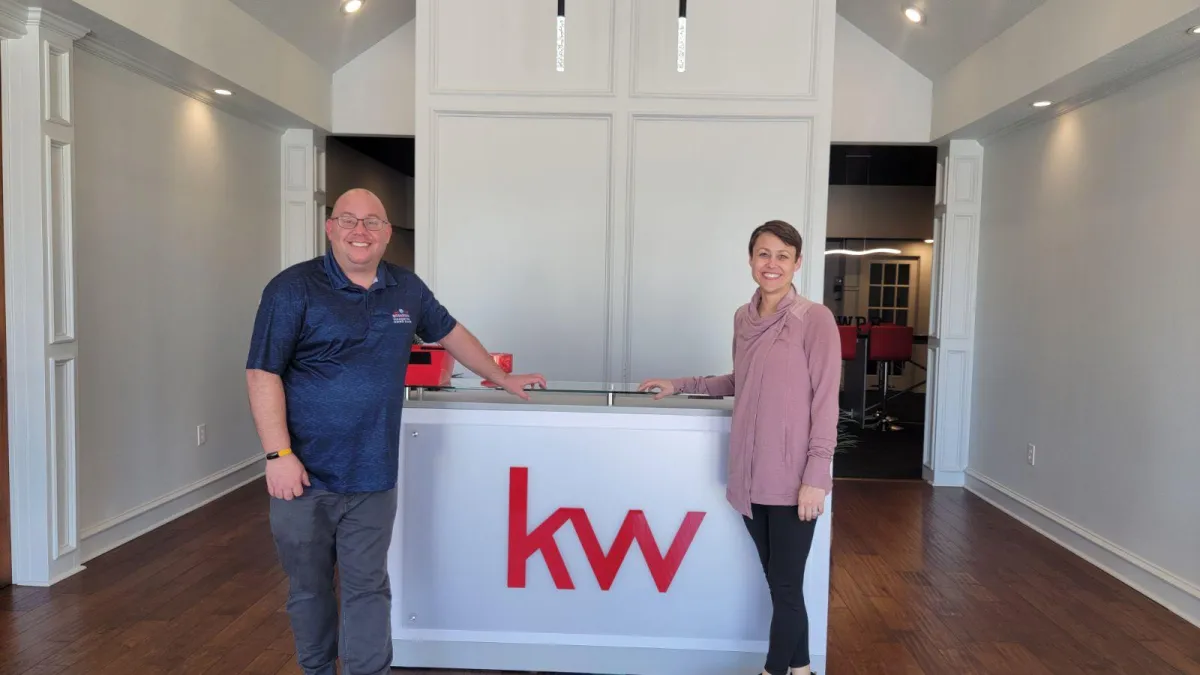
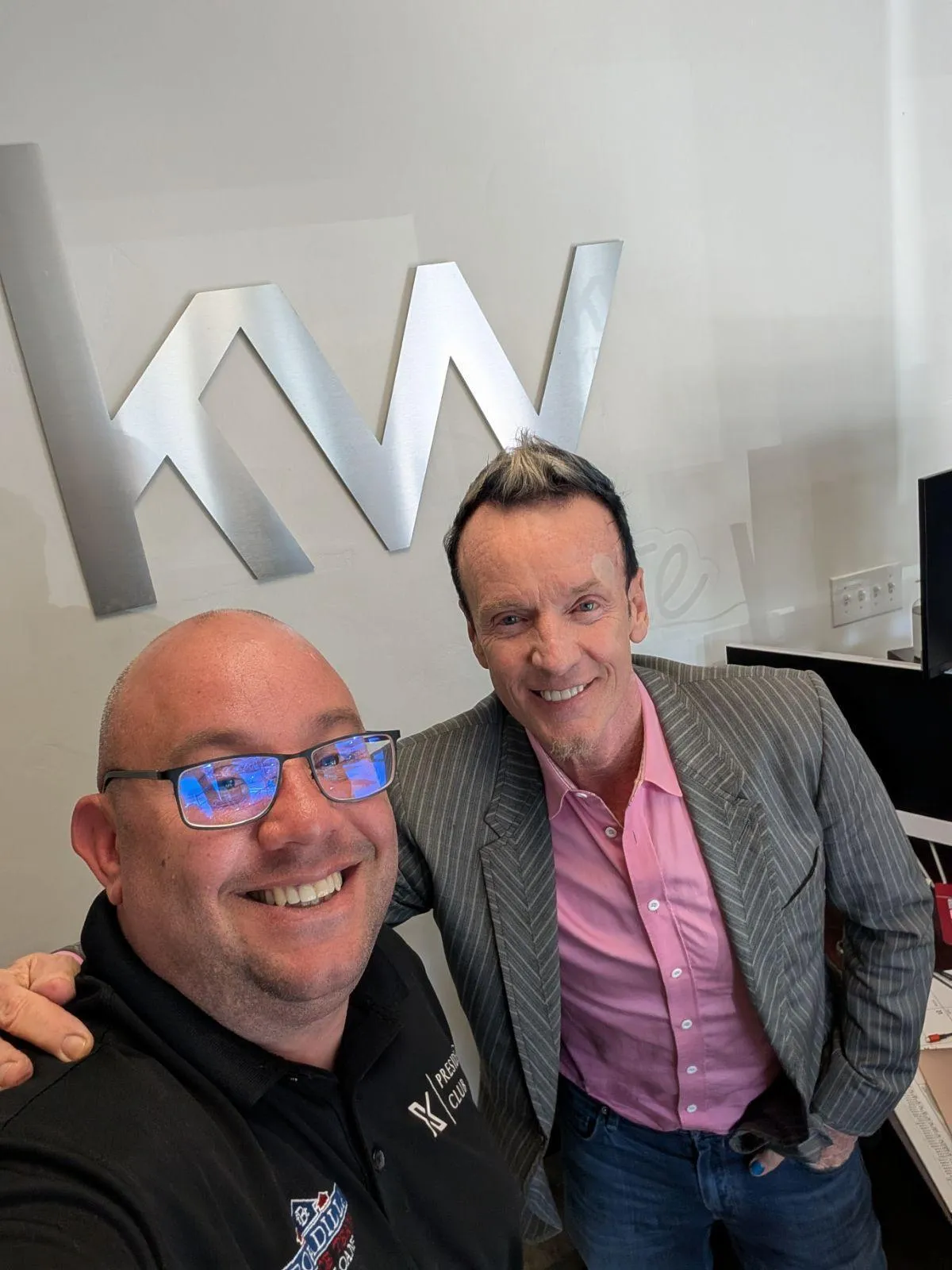
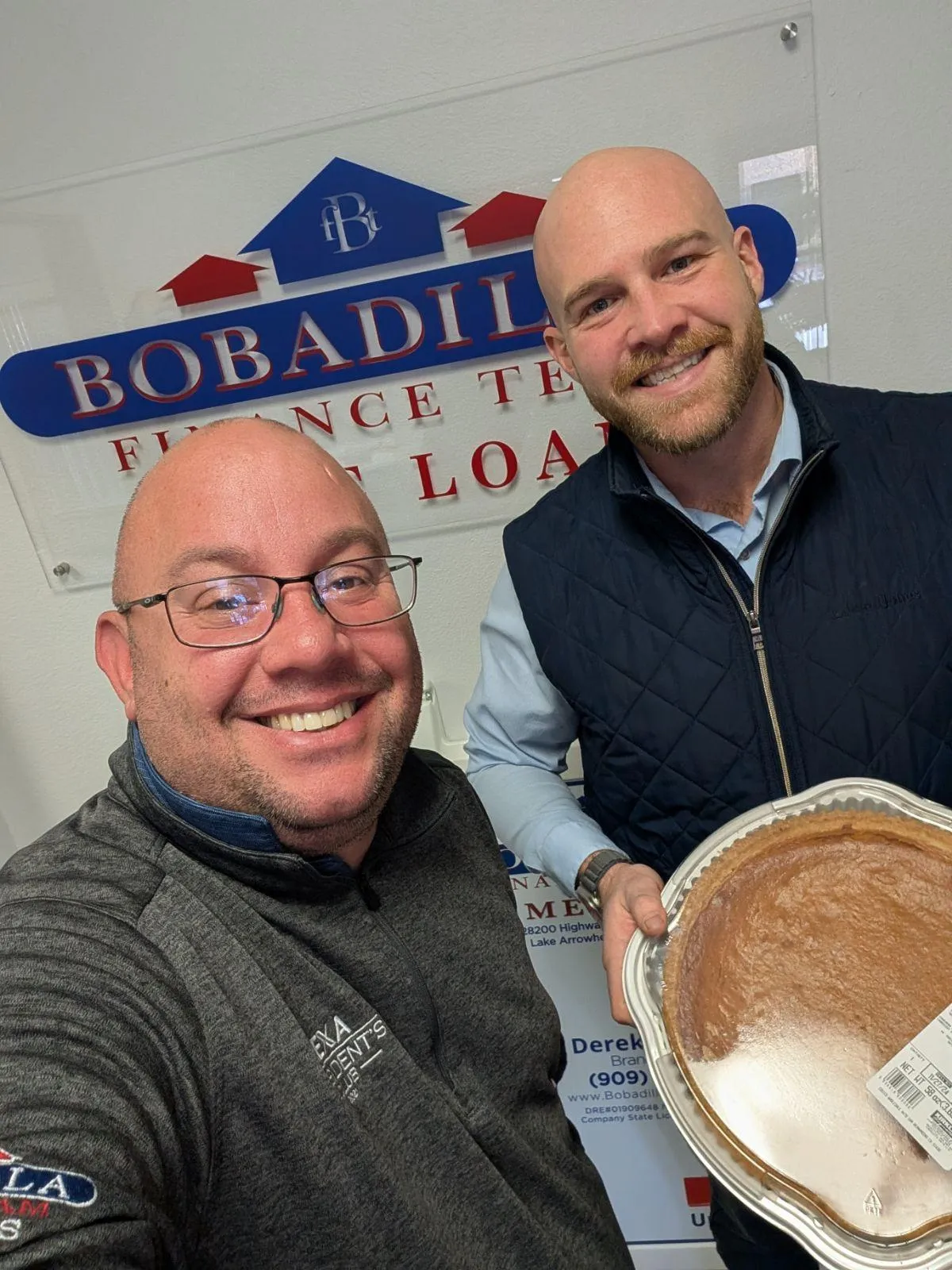
People Derek has met and worked with before.
1500+
Loans completed
Successfully funded home loans for buyers and homeowners across a wide range of scenarios.
26+
Years of expertise
Deep mortgage experience to guide clients through rates, programs, and approvals with clarity.
$1.2m+ Average Monthly Loans
Consistent monthly production, reflecting steady lender relationships and reliable execution.
Trusted by homeowners & agents
Recognized & backed by leading industry partners
Display key associations, lender partners, or review platforms here to reassure visitors they’re in safe hands.



Why choose Bobadilla Home Loans
A brokerage that fights for your best rate, not the bank’s
We compare options across multiple lenders, structure your file for the strongest approval, and guide you from pre‑approval through closing with proactive updates at every step.
Strategic rate shopping
Access a wide network of lenders to compare programs, rates, and fees so you don’t have to shop around yourself.
Transparent guidance
Straight answers, clear next steps, and real expectations—no surprise fees or last‑minute changes.
Fast, proactive communication
Weekly status updates, milestone alerts, and direct access to your loan expert by phone, text, or email.
Loan programs
Mortgage options tailored to your goals
Choose from a full suite of loan types. We’ll help you compare monthly payment, cash‑to‑close, and long‑term savings for each scenario.
Conventional loans
Ideal for borrowers with strong credit scores and stable income who want competitive rates and flexible terms.
Fixed & adjustable rates
3%+ down payment options
Refinance & cash‑out available
FHA & VA loans
Government‑backed options with flexible credit guidelines and low or no down payment for qualified buyers.
FHA low‑down‑payment
0% down VA for eligible service members
Great for first‑time buyers
Jumbo & investment
Financing for higher‑priced homes and investment properties with competitive structures for complex scenarios.
Jumbo loan solutions
Investment & DSCR options
Second homes & vacation properties
Ready to see how much home you can afford?
Complete this quick form to get a custom rate quote and pre‑approval roadmap from a Bobadilla Home Loans specialist.
By submitting, you agree to be contacted by phone, text, or email. This is not a commitment to lend. All loans subject to credit approval and underwriting guidelines.
Bobadilla Home Loans
Bringing you expert mortgage solutions for a smarter, smoother path to homeownership. Let’s open doors together!
1011 HWY 2 WEST, Suite 400
KALISPELL, MT 59901
(406) 770-7454
[email protected]

Licensing & disclosures
Regulated by IDFPR – Residential Mortgage Banking
555 West Monroe St., Ste 500
Chicago, Illinois 60661
844-768-1713
For licensing information, go to www.nmlsconsumeraccess.org
Bobadilla Finance Team Home Loans, NMLS#820270/1660690
Corporate Address: 3100 West Ray Rd Ste 201 Office #209 Chandler, AZ 85226
For more information, NMLS Consumer Access Link: https://nmlsconsumeraccess.org/EntityDetails.aspx/COMPANY/1660690
**NOTICE* - This is not a commitment to lend or extend credit. Restrictions may apply. Information and/or data is subject to change without notice. All loans are subject to credit approval. Not all loans or products are available in all states
Sample content: © 2024 Bobadilla Home Loans. All rights reserved.
Sample content: Equal Housing Lender logo or icon placeholder